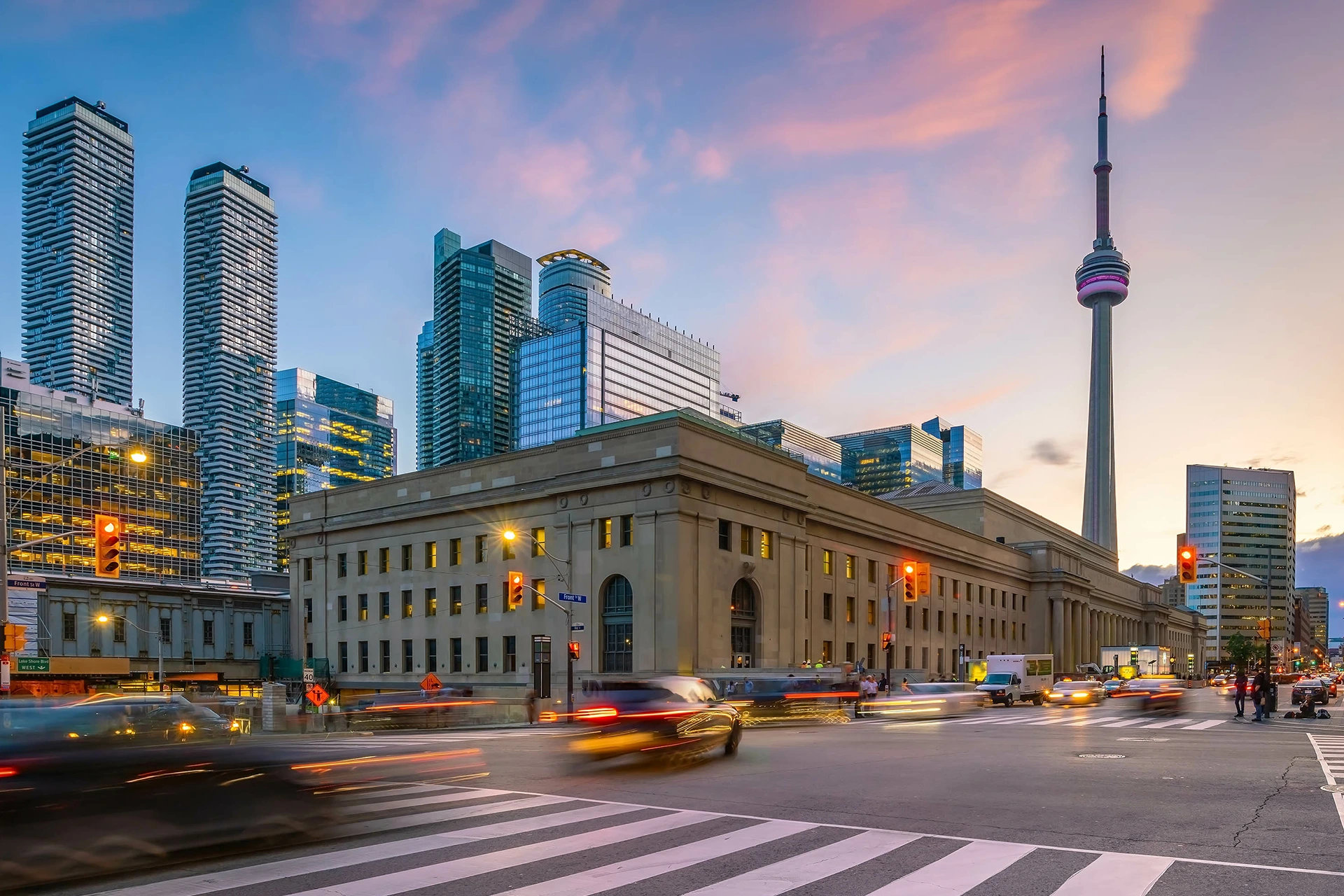
A shifting social landscape
Exploring the current dynamics of life in Canada
Canada’s contemporary identity is shaped by interconnected housing, work, mobility, health, and cultural trends influencing how people live and connect.
Adapting homes for evolving lifestyles
Urban and rural housing patterns reflect evolving priorities around flexible living, community connection, and environmental footprint.
In dense urban centres, multi-functional spaces and high-rise living emphasize proximity to everyday amenities. Meanwhile, suburban and rural homes increasingly incorporate home offices and energy-efficient retrofits suited to varied climates. This evolution also includes growing interest in co-housing models designed to support community interaction.


A focus on wellness
The expanding definition of personal health
A holistic approach to personal health increasingly connects mental well-being with physical wellness.

Prioritizing mental well-being access
Workplace wellness programs and digital platforms offer more accessible support for psychological health and resilience.

A shift toward preventive care
The focus is shifting from treatment alone toward preventive care and proactive lifestyle choices that support long-term physical health.
Economic structural changes
Navigating a transforming economic landscape
Key Canadian economic sectors are undergoing structural changes driven by technology and global market shifts.

The gig economy expands flexible work options while challenging traditional employment models and benefit structures.
Local supply chains are being strengthened to improve economic resilience against international market volatility.

Career path evolution
New pathways in professional development
Modern career paths are becoming less linear, emphasizing continuous learning and the ability to move across industries and roles.
Upskilling and reskilling have become central to long-term career development.

The rise of remote work
Remote work offers greater flexibility beyond traditional office environments.
Focus on soft skills
Collaboration, communication, and adaptability remain highly valued workplace skills.

Portfolio-based careers
Many professionals now combine multiple income streams with project-based work.

Micro-credentials help validate specific, targeted industry skills.
Professional networking platforms connect talent with wider career opportunities.

Creative cultural expressions
The mosaic of culture and inspiration

Public art installations
Public art installations transform urban public spaces and encourage cultural engagement.

Digital media platforms
Digital media platforms showcase independent creator content and broaden access to cultural expression.

Indigenous artistic revival
Indigenous artistic expression brings storytelling into both modern and traditional forms.

Fusion culinary scenes
Fusion culinary scenes reflect Canada’s diverse cultural heritage.
Movement and access
Rethinking personal and public mobility
Mobility across Canadian cities and regions is evolving with greater emphasis on transport efficiency and sustainability.
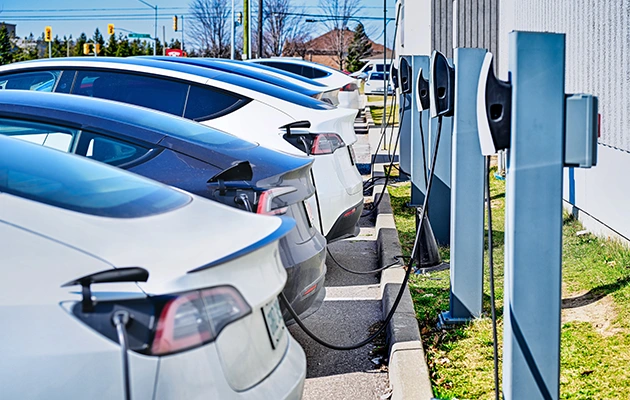
The integration of EV infrastructure
EV charging networks are expanding along major transportation corridors.
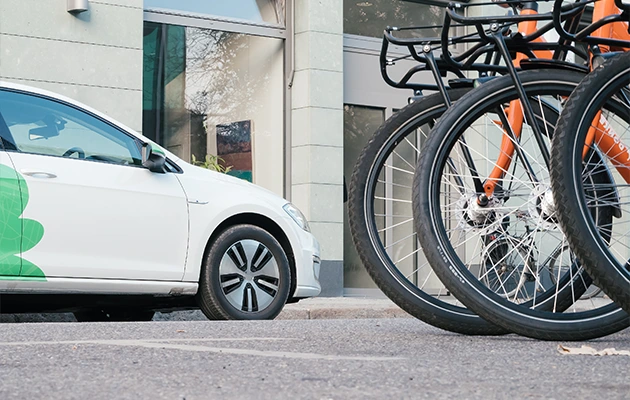
Growth of shared mobility services
Bike-sharing and car-sharing services complement public transit options.
Exploring the landscape
Pursuing discovery through local getaways
Regional travel is drawing renewed interest, encouraging discovery of lesser-known destinations and support for local tourism ecosystems across Canada.
01
Exploring boreal forest trails
Boreal forest trail networks offer hiking and wildlife observation opportunities.
02
Touring coastal fishing villages
Coastal fishing villages offer access to maritime culture and fresh local cuisine.
03
Visiting agricultural heartlands
Farm stays and local markets connect visitors directly with agricultural producers.
04
Mountain region wilderness camping
Backcountry camping sites provide immersive outdoor experiences in mountain regions.
Future-forward technologies
The impact of forward-thinking innovations
Automation in traditional industries
Robotics and automated systems are being integrated into manufacturing and resource sectors, supporting worker safety and operational efficiency.
The development of smart cities
Smart cities use sensor networks and data analytics to manage traffic flow, optimize energy use, and improve public services.
Advances in sustainable technology
New materials and energy solutions are supporting circular economy models designed to reduce waste and environmental impact.