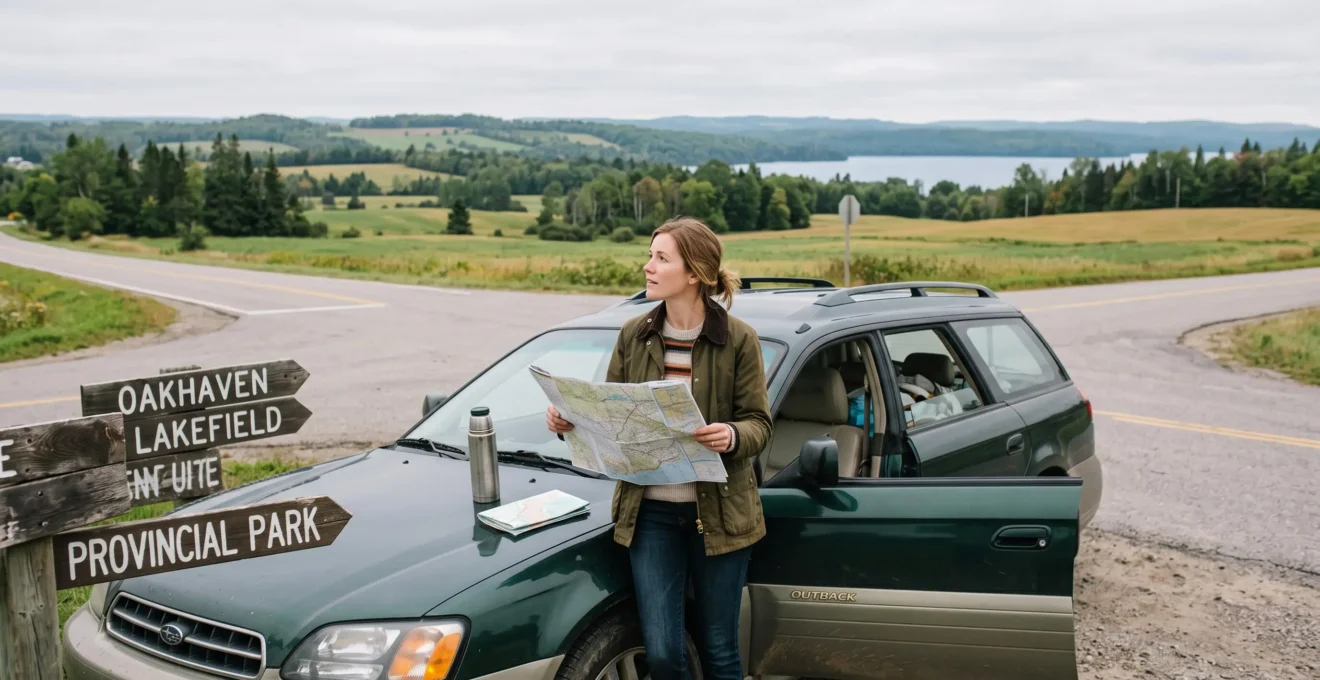
A memorable Canadian getaway does not have to involve a flight, a famous national park or an itinerary filled from morning until evening. Smaller regions within a few hours of major cities offer a different kind of escape: walkable communities, regional food, accessible landscapes and opportunities to discover places that rarely dominate travel recommendations.
The challenge is knowing which destinations are genuinely practical. A charming village may have limited accommodation, a provincial park may require advance reservations, and a scenic coastal community may operate around fishing seasons rather than visitor schedules. Choosing somewhere unfamiliar works best when a little targeted research replaces extensive itinerary building.
For a manageable short break, start with one region, confirm where to stay, select one meaningful activity each day and leave room for discovery. The same approach works for Ontario market towns, Québec villages, Atlantic coastal communities and smaller destinations across Western Canada. The objective is not to see everything, but to enjoy somewhere different without making the logistics the centre of the trip.
Planning a simpler Canadian regional getaway
- Look within roughly two hours of a major city for smaller communities with accommodation, local amenities and one worthwhile attraction.
- Build a three-day trip around confirmed overnight stays, manageable driving distances and flexible daily plans.
- Check seasonal opening hours, road conditions, reservations and essential services before leaving, especially in remote regions.
- Why Do Travellers Overlook Smaller Destinations Near Major Canadian Cities?
- How to Plan a Three-Day Regional Road Trip Without Rushing Every Stop
- Small Towns or Provincial Parks: Which Offer a Better Quiet Weekend?
- Planning Mistakes That Can Disrupt Trips to Remote Canadian Destinations
- When Is Shoulder-Season Travel Worth Considering in Canadian Regions?
- When to Visit Canadian Farmers’ Markets for Regional Harvest Variety
- When Should You Visit Coastal Villages to Experience Working Harbours?
- How Can Small Canadian Destinations Build Stronger Local Tourism Ecosystems?
Why Do Travellers Overlook Smaller Destinations Near Major Canadian Cities?
Smaller Canadian destinations are frequently overlooked because established attractions dominate travel advertising, online recommendations and familiar guidebooks. Travellers repeatedly encounter names such as Banff, Niagara Falls and Old Québec, making these places easier to choose than unfamiliar communities nearby. The difference often reflects visibility rather than whether a lesser-known region offers a rewarding short break.
Tourism promotion tends to reinforce destinations that already have substantial recognition. Large marketing campaigns, widely shared photographs and extensive visitor content make familiar attractions prominent in search results and travel feeds. Recommendation systems can amplify that visibility by repeatedly presenting destinations with abundant existing content.
Smaller municipalities may have attractive main streets, heritage buildings, independent restaurants and convenient access to nature without the same promotional reach. Their appeal becomes clearer when travellers compare practical experiences instead of landmark recognition.
A two-hour search radius offers a useful starting point. Open Google Maps around a major Canadian city, identify smaller communities within approximately two hours’ driving distance and investigate towns with populations below roughly 10,000. The population threshold is a scouting guideline, not a guarantee of quiet streets or visitor readiness.
Before choosing a destination, apply three practical tests:
- Accommodation: Are there suitable overnight options available on the intended dates?
- Local activity: Is there a recurring farmers’ market, independent shopping district or another reason to spend time in the community?
- Signature experience: Is there at least one accessible trail, historic attraction, waterfront or regional experience worth building a day around?
An active municipal tourism page is another encouraging sign because it provides a starting point for verifying services. For example, an Ontario traveller might investigate smaller communities beyond Ottawa rather than automatically planning another trip to a major attraction.
The trade-off deserves attention. Smaller destinations are not always cheaper, particularly when accommodation is scarce, but they can offer easier parking, shorter waits and more direct interactions with local businesses. Their appeal lies in a different pace rather than a larger collection of must-see attractions.
Once a promising area passes these basic checks, the next decision is how to structure enough time there without turning the escape into a demanding driving schedule.
How to Plan a Three-Day Regional Road Trip Without Rushing Every Stop
A relaxed three-day Canadian road trip works best with one main destination or activity per day, driving blocks of approximately two to three hours or less between overnight bases, and flexible time for unexpected discoveries. Confirm accommodation before finalizing attractions, especially in small communities where limited lodging can determine whether the proposed route is practical.
Instead of collecting every interesting stop along a highway, organize the trip around three daily anchors. One might be a village centre, another a provincial park trail, and the third a regional food market or scenic waterfront.
Give each day a simple structure: one planned activity plus an open buffer. The buffer absorbs a longer-than-expected lunch, a short hike that becomes a longer walk, or weather that makes an outdoor attraction less appealing.
Consider a hypothetical three-day trip through a region with several neighbouring towns. The first day could involve reaching the accommodation base and exploring its main street. The second could focus on a park or heritage site, with the afternoon uncommitted. The third might include a market visit before driving home. The actual route should depend on verified distances and opening hours.
Choosing between a loop and an out-and-back journey also matters. A loop can reduce unnecessary backtracking when regional roads connect several communities, but it is not automatically shorter. Some Canadian regions rely on a single highway corridor, making an out-and-back route more sensible. Returning along the same road can still reveal different scenery, lighting or seasonal conditions.
Book the beds before arranging the stops. In larger cities, accommodation choice is often broad enough to support an attraction-first itinerary. A smaller region may have only a few suitable properties, some of which operate seasonally. Confirming availability first avoids designing a route with no practical overnight base.
The final task is checking infrastructure. Regional highways may have mobile coverage gaps, fuel stations can be widely spaced, ferries may follow restricted timetables, and attractions may close on certain weekdays. Each factor can affect an otherwise straightforward route.
Five checks before your three-day road trip
- Choose the daily anchors: Save a three-day outline naming one principal destination or activity for each day.
- Confirm overnight bases: Record booking confirmations, addresses and check-in arrangements.
- Validate the driving route: Save an offline map showing overnight stops, expected driving blocks and an alternative road where available.
- Check essential services: Prepare a short list of fuel stops, food options, mobile coverage limitations and relevant ferry or attraction schedules.
- Prepare for changes: Save a weather-appropriate backup activity and share the itinerary with a trusted contact.
With the route established, choosing the right overnight environment becomes easier. The next consideration is whether a town or a provincial park better supports the kind of quiet weekend you want.
Small Towns or Provincial Parks: Which Offer a Better Quiet Weekend?
Provincial parks generally suit travellers seeking natural surroundings, trails and time outdoors, while small towns better serve those who want walkable amenities, restaurants and comfortable accommodation. Neither guarantees solitude. Campgrounds can be busy in summer, and popular villages may attract seasonal crowds, so the better choice depends on travel dates, accommodation preferences and self-sufficiency.
The distinction is between natural quiet and social quiet. A provincial park may provide forest scenery and limited urban noise, but its campsites and well-known trails can still attract substantial visitor traffic. A small town offers a quieter pace of community life, although restaurants, roads and public events remain part of the experience.
These differences become clearer when comparing the requirements of each option.
| Planning factor | Small town | Provincial park |
|---|---|---|
| Quiet atmosphere | Relaxed streets and community spaces; varies during festivals | Natural settings; popular trails and campgrounds can be crowded |
| Bad-weather options | Potential access to cafés, shops and indoor attractions | More limited indoor options, depending on facilities |
| Accommodation cost | Varies by destination and availability | Camping may reduce lodging costs but requires equipment and fees |
| Reservations | Limited lodging can fill around events or holidays | Popular campsites may require reservations well in advance |
| Self-sufficiency | Generally less equipment and meal preparation | Often requires more food planning, clothing and outdoor gear |
Reservation rules are especially important. According to the official Ontario Parks reservation rules, campsite bookings can be made up to five months before arrival. The authority also notes that its parks are often full during summer. This window applies to Ontario Parks, not automatically to parks managed by other provinces or Parks Canada.
5 months
Advance booking window for Ontario Parks campsite reservations, subject to the authority’s applicable rules. It does not describe reservation windows throughout Canada.
Ontario Parks, official reservation guidance.
A useful compromise is staying in a town close to a park. This town-and-trail combination is worth exploring in places such as the Laurentians, Eastern Townships, Kawarthas and communities around the Bay of Fundy. Travellers can spend the day hiking and return to established accommodation and dining options, provided both are open.
Timing can change the answer. Summer long weekends may concentrate demand in park campgrounds, while autumn foliage periods can make certain small towns exceptionally popular. A quiet September weekend in one region may coincide with peak visitor demand in another.
Once the overnight environment is settled, the remaining challenge is preventing minor logistical assumptions from becoming major disruptions, particularly farther from urban services.
Planning Mistakes That Can Disrupt Trips to Remote Canadian Destinations
The most disruptive mistakes on remote Canadian trips involve underestimating distances, assuming essential services will be available, overlooking seasonal access restrictions and travelling without a communication plan. These problems are often avoidable. Checking road conditions, operating hours, reservations and emergency arrangements before departure makes unfamiliar destinations much easier to navigate safely.
A frequent error is applying big-city expectations to low-density regions. Travellers may assume there will be another fuel station nearby, that a restaurant will remain open after an evening drive, or that a pharmacy will be accessible on a Sunday. Those assumptions can fail in communities with limited services.
Before departure, examine the actual route rather than the straight-line distance between towns. Municipal visitor websites and park authority information can help identify relevant amenities, while individual businesses should be checked for current hours.
Weather must shape the route rather than merely influence packing. Early snow can affect northern and elevated roads, coastal storms can interrupt ferry crossings, and some mountain or forest routes may close seasonally. Where a road or ferry is the only practical connection, identify an alternative overnight base or adjust the route before leaving.
Reservation timing is another trap. Parks Canada and provincial park systems administer separate booking arrangements, which can differ by destination, facility and season. Travellers should consult the applicable reservation calendar rather than assume that one nationwide opening date exists. Popular sites may have little availability once their booking windows have opened.
Communication preparation is equally important. Parks Canada‘s emergency contacts and safety guidance warns that cellular coverage is not always reliable in remote areas and the backcountry. It recommends preparing a trip plan and leaving it with someone trusted.
Download maps that can function without a mobile connection, carry destination-specific emergency information, and agree on a check-in arrangement. For activities in particularly isolated areas, investigate whether an appropriate satellite communication device is needed, recognizing that such equipment also has limitations.
Uncertainty is unavoidable in regional travel, but its consequences can be reduced. A missed restaurant opening might require only a packed meal; an unexpected road closure may require changing the overnight location. Treat these possibilities differently when allocating preparation time.
These safeguards also make travel outside peak summer more realistic, when lower visitor numbers can coincide with reduced services and less predictable operating conditions.
When Is Shoulder-Season Travel Worth Considering in Canadian Regions?
Shoulder-season travel is worthwhile when quieter destinations and potentially better accommodation availability matter more than having every attraction operating at full capacity. The ideal period varies across Canada because weather, school holidays and seasonal staffing differ by region. The deciding factor is whether the experiences you value remain accessible on your chosen dates.
The shoulder season should be understood locally rather than assigned a single national date range. In many regions, parts of May and June fall before the busiest summer holiday period. September and October may offer quieter conditions elsewhere, although foliage destinations can experience concentrated autumn demand. Coastal activity follows additional seasonal and operational patterns.
Compare what improves with what disappears. Potential advantages include:
- Greater accommodation choice where summer demand has eased.
- Less competition for parking and space at certain trails or attractions.
- A more relaxed atmosphere in communities that become busy during holiday periods.
Possible disadvantages include reduced restaurant hours, fewer guided excursions, limited ferry frequencies and shorter attraction schedules. Some establishments may close entirely between visitor seasons.
A useful decision method is to identify the three experiences that justify the trip. If all three operate on the proposed dates, off-peak travel may be an excellent fit. If two depend on seasonal services that have already closed, an apparently attractive accommodation rate may offer poor overall value.
For example, a hypothetical October weekend built around walking a village centre, photographing autumn scenery and visiting an independently operated café could be flexible, assuming the roads and businesses remain accessible. A trip organized around a specific boat excursion or seasonal mountain road requires much more precise verification.
For families, school calendars may determine available travel dates. For other travellers, shifting a trip away from a busy holiday weekend can create more flexibility, but local festivals and foliage peaks may still produce high demand.
Shoulder-season travel is therefore a value decision rather than automatically a bargain. Compare actual room availability, transport schedules and attraction access before judging an off-peak trip worthwhile.
One particularly rewarding way to make seasonal timing meaningful is to follow regional food production, beginning with the harvest calendar at local farmers’ markets.
When to Visit Canadian Farmers’ Markets for Regional Harvest Variety
The best time to visit a Canadian farmers’ market depends on the region’s growing conditions and the produce you want to find. Summer generally offers substantial fresh-food variety in many agricultural areas, while autumn brings orchard fruit, squash and storage crops. Market schedules vary independently of harvest seasons, so confirm the operating day before planning a trip.
Canada’s growing regions do not share identical harvest calendars. In southern Ontario and British Columbia’s Okanagan, summer visits can coincide with local berries and tender fruit, depending on the crop and season. Orchard regions often feature apples and squash during late September and October. Atlantic and northern markets have their own shorter or differently timed growing windows.
Rather than searching for one national best month, investigate what is being harvested locally during your intended travel period. Weather can shift availability, and some vendors supplement fresh produce with preserved foods, baked goods or other regional products.
Markets also work as informal regional discovery centres. A producer selling cheese may be able to identify a nearby dairy outlet. A baker might suggest another village with a distinctive food tradition. These conversations can reveal worthwhile stops that do not appear prominently in standard travel itineraries.
Arrival time changes the experience. Saturday morning markets often have a broad vendor selection and an energetic atmosphere, while smaller weekday markets, where available, may provide a calmer visit. Arriving early can improve product choice. Late-day reductions sometimes occur, but neither discounts nor remaining selection are guaranteed.
The Perth Farmers’ Market municipal information offers a concrete example of why schedules matter. In 2026, the market’s main season ran on Saturdays from May 9 to October 10, between 8 a.m. and 1 p.m. The town also listed separate Harvest and Christmas markets.
Perth, Ontario: one market, several seasonal occasions
Perth’s municipal visitor information identified a regular 2026 Saturday market at the Tay Basin near Crystal Palace. The listed products included produce, meats, eggs, preserves, baked goods and honey.
Separate seasonal markets illustrate why a traveller cannot assume that a regular summer schedule continues unchanged into autumn or winter. Future dates must be confirmed with the organizer.
This is a practical lesson for any regional trip. A market that appeared on a previous visit may have moved, changed hours or stopped operating for the season. Municipal pages and market organizers are the appropriate places to confirm current details.
Regional calendars reveal more than agricultural variety. In coastal communities, understanding the local working schedule can completely change what visitors encounter along the waterfront.
When Should You Visit Coastal Villages to Experience Working Harbours?
Visit a Canadian coastal village when its local fishing activities are operating and choose a time of day that corresponds with vessel departures or returns. A busy tourist waterfront does not necessarily mean an active working harbour. Fishing seasons, tides, weather and landing schedules determine what visitors can observe, so local verification matters more than choosing a generic summer date.
Canada’s coastal communities support different fisheries, including lobster, crab and other species subject to regional regulations and seasonal arrangements. An active landing period in one harbour may not coincide with activity in another, even within the same province.
Before booking accommodation, identify the local fishery and investigate its operating season through relevant fisheries information, harbour authorities or local fishing associations. Avoid assuming that a seafood festival or busy visitor weekend corresponds with regular commercial landings.
Time of day is just as important as time of year. Some harbours see visible activity around early departures or returning vessels, while others have different operating rhythms. Dawn can be rewarding, but it is not a universal landing time. Tides, fishing conditions, vessel schedules and harbour-specific practices all affect activity.
For a trip centred on observing a working waterfront, ask a local visitor centre or harbour contact whether there are publicly accessible viewpoints and when activity is normally visible. Expect the information to remain approximate because fishing schedules can change.
Respect the harbour as a workplace. Commercial wharves may contain moving vehicles, unloading equipment, traps, ropes and restricted areas. Visitors should never assume that a dock is public simply because it is accessible from a village road.
Use designated public lookouts, approved waterfront paths, fish markets open to visitors or organized community events. Do not handle fishing equipment or enter working areas without permission. Photography should also respect workers’ safety and privacy.
Outside the main visitor season, a village may offer a closer view of everyday community life, but restaurants, shops and visitor services may operate on reduced schedules. During summer, more facilities may be available, accompanied by greater recreational traffic and visitor numbers.
Observing these communities respectfully also raises a broader question: how can regional travel benefit the places visited rather than simply consume their scenery and services?
What to carry into your next regional trip
- Choose businesses with a meaningful local presence when suitable options are available, rather than treating the lowest booking price as the only consideration.
- Consider neighbouring communities and quieter travel periods to distribute visits beyond the most recognizable attractions.
- Look for regional visitor centres, cooperatives and Indigenous tourism organizations that can connect you with locally rooted experiences.
How Can Small Canadian Destinations Build Stronger Local Tourism Ecosystems?
Small Canadian destinations can strengthen local tourism by connecting accommodation, restaurants, guides, producers and community organizations so visitors use several regional services rather than one isolated attraction. Travellers contribute by choosing locally rooted businesses, exploring neighbouring communities and respecting local priorities. These habits can improve the visitor experience while creating opportunities for tourism spending to circulate within the region.
A regional trip becomes more valuable to a community when visitor spending reaches several local operators. A night at an independently owned guesthouse, a meal at a local restaurant and a guided cultural or outdoor experience can support different businesses within the same area.
However, local ownership should be verified rather than inferred from branding. A rustic-looking property is not necessarily independently operated, and an online listing does not always identify who manages an experience. Business websites, local visitor centres and direct enquiries can help clarify ownership and operations.
Distributing visits across nearby communities is another useful practice. Instead of spending an entire weekend around one frequently photographed viewpoint, travellers can explore another village, visit a nearby producer or choose a less busy day for a popular attraction.
This approach can make a journey more varied without requiring longer driving distances. It can also spread visitor activity beyond one concentrated location, although the economic and environmental effects depend on the destination and how tourism is managed.
Community-based tourism provides additional options. Indigenous-owned and controlled tourism businesses offer opportunities to engage with regional knowledge, cultural experiences and locally developed visitor services.
The ITAC member directory, maintained by the Indigenous Tourism Association of Canada, can help travellers identify businesses and tourism organizations connected with Indigenous tourism across the country. The directory includes industry partners and businesses at different stages of development, so individual offerings and availability should be confirmed before booking.
Cooperatives, independent producers and municipal visitor centres can also connect visitors with regional experiences. A visitor centre that recommends a neighbouring village or local guide can help travellers discover options they might otherwise miss.
Responsible regional travel does not require a complicated itinerary. It can begin with a few practical decisions: book suitable accommodation directly when appropriate, respect working spaces and community expectations, favour experiences that genuinely interest you, and avoid concentrating every stop at the same popular location.
Local tourism development also benefits from realistic expectations. Smaller destinations need appropriate services, accessible information and visitor management, not unlimited tourism growth. A place may choose to protect sensitive landscapes or maintain restrictions on visitor access, and those choices deserve respect.
For your next short break, choose one promising Canadian region, confirm a locally rooted place to stay and plan a single worthwhile experience for each day. Leave the rest of the schedule open for discoveries that make the destination distinctive.
Can a lesser-known Canadian destination work for a weekend without a car?
Yes, provided transportation to the destination and movement between its main attractions are practical. Look for towns with a walkable centre, accommodation close to the arrival point and confirmed regional bus, rail or local transport options. A car-free weekend is less suitable when essential activities are widely dispersed and no reliable connecting service exists.
How far should you travel for a two-night Canadian getaway?
A destination approximately two hours from home is a useful starting point, but travel tolerance, weather and road conditions matter more than a fixed distance. Shorter journeys preserve more time for the destination. If the outbound drive consumes most of the first day, consider staying in one accommodation base rather than moving between towns.
What should you check before booking a seasonal regional attraction?
Verify its operating dates, weekday schedule, reservation requirements, weather restrictions and cancellation arrangements through the operator or responsible authority. A listing that identifies an attraction as seasonal does not guarantee that it will operate during every week of that season.
Are smaller Canadian destinations always less expensive than major tourist centres?
No. Accommodation scarcity, special events and seasonal demand can make smaller destinations relatively expensive. Compare the total cost of lodging, transportation, meals, parking and activities rather than assuming that a smaller population means lower prices. Convenience and a more relaxed pace may be worthwhile even without substantial savings.
How can travellers find locally operated experiences before arriving?
Start with municipal visitor information, regional tourism organizations, producer associations and Indigenous tourism directories. Check individual operator websites to understand ownership, offerings and booking arrangements. Where details are unclear, contact the business directly rather than relying solely on a third-party listing.